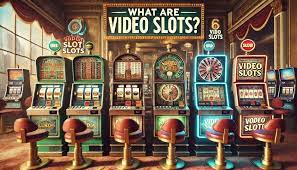
Slot games have evolved from simple, SCRplay mechanical fruit machines to vibrant, story-driven digital experiences. While gameplay mechanics, win potential, and bonus features are critical components of a slot’s success, themes have become one of the most influential elements in shaping player enjoyment and engagement.
From ancient civilizations to futuristic sci-fi settings, themes do far more than add visual flair—they help create immersive worlds, emotional connections, and memorable gaming moments. In this article, we’ll explore how themes enhance the slot gaming experience and why they’re so important in today’s competitive casino landscape.
- First Impressions That Attract Players
In a digital casino with hundreds or even thousands of slots, a game’s theme is often the first thing that catches a player’s eye. Titles like “Book of Dead,” “Vikings Go Berzerk,” or “Gonzo’s Quest” spark curiosity simply through their visuals and implied narratives.
A strong theme can:
Grab attention with unique artwork or a recognizable title
Spark a player’s curiosity based on familiar interests (e.g., mythology, horror, music)
Create anticipation for the gameplay and features that lie within
In short, themes serve as the entry point into a slot and significantly influence whether a player chooses to play.
- Emotional and Psychological Engagement
Themes tap into emotions, nostalgia, and personal interests, making the gaming experience more relatable and enjoyable. For instance:
A fantasy-themed slot might appeal to fans of epic tales like Lord of the Rings
An Egyptian-themed game might excite history enthusiasts
A cartoonish, colorful slot might lift spirits and reduce stress
By connecting with a theme emotionally, players become more immersed in the experience. This emotional tie encourages longer play sessions and a greater sense of enjoyment, regardless of wins or losses.
- Storytelling and Immersion
Many modern slots now incorporate elements of storytelling, transforming each spin into part of a larger narrative. This trend mirrors the world of video games, where immersive stories keep players coming back.
Examples of immersive storytelling in slots:
Gonzo’s Quest (NetEnt): Players join a quirky explorer on a journey through lost temples, with Avalanche reels adding to the adventure.
Immortal Romance (Microgaming): A vampire love story unfolds through character-specific bonus features and evolving plotlines.
Book of Dead (Play’n GO): Players take on the role of Rich Wilde, an adventurer uncovering ancient treasures.
These themes are more than just visual design—they create evolving gameplay that tells a story over time, keeping the experience fresh and engaging.
- Enhanced Bonus Features and Mechanics
Themes often shape not just the look of a game, but its mechanics and bonus features as well. This alignment between story and function makes gameplay more cohesive and entertaining.
How themes influence features:
A pirate-themed game might include a treasure map bonus or ship battles as mini-games.
A space-themed slot might use alien wilds, asteroid multipliers, or galactic free spins.
A horror-themed slot could feature jump-scare animations, eerie music, and suspense-building bonus rounds.
By tying gameplay mechanics to the theme, developers create a more immersive and enjoyable experience.
- Personalization and Player Identity
Slot players are diverse, with unique tastes and preferences. Some might love high-volatility, mythology-themed games; others prefer relaxing, cheerful animal slots. The vast variety of slot themes helps cater to every type of player, allowing individuals to find games that resonate with their identity or mood.
Themes allow players to:
Select games that reflect their personality or interests
Explore new genres or storylines that they find entertaining
Avoid games with themes they find unappealing or overused
This personal connection fosters loyalty—not just to specific games but often to the developers who create them.
- Branded Themes and Familiarity
Branded slot games based on popular movies, TV shows, music, or celebrities offer immediate familiarity and excitement. These themes attract fans who enjoy reliving their favorite moments in a new, interactive format.
Examples include:
Game of Thrones™ (Microgaming)
Jurassic Park™ (NetEnt)
Guns N’ Roses™ (NetEnt)
The Walking Dead™ (Playtech)
Branded themes benefit from built-in fan bases and tend to feature higher production values, including voiceovers, original soundtracks, and cinematic visuals. This familiarity adds comfort and excitement to the gaming experience.
- Seasonal and Event-Based Themes
Many developers release themed slots around holidays or major global events. These games provide a timely and festive atmosphere, enhancing the player’s sense of occasion.
Popular seasonal themes include:
Halloween – Ghosts, pumpkins, and spooky sound effects
Christmas – Snow, Santa, and holiday cheer
Valentine’s Day – Romantic symbols and love-themed features
These limited-time slots often drive increased engagement and retention, as players are curious to see what new spins on the season developers have come up with.
Conclusion
Themes are far more than surface-level design choices in slot games—they are integral to the entire gaming experience. From first impressions to emotional engagement, storytelling, and gameplay mechanics, themes provide context and cohesion that elevate a game from mere spinning reels to an immersive adventure.
In today’s crowded and competitive market, a compelling theme can be the difference between a slot that’s forgotten and one that becomes a player favorite. Whether you’re a fan of ancient mythology, outer space, romantic sagas, or rock legends, there’s a themed slot out there tailored to your taste—and it’s that personal connection that keeps players coming back for more.
 Site Title
Leave a comment